Who We Are
We came to development through the work of peace
Our experience in Boston communities taught us that lasting stability is built through relationships, opportunity, and a meaningful stake in what comes next.
Our story
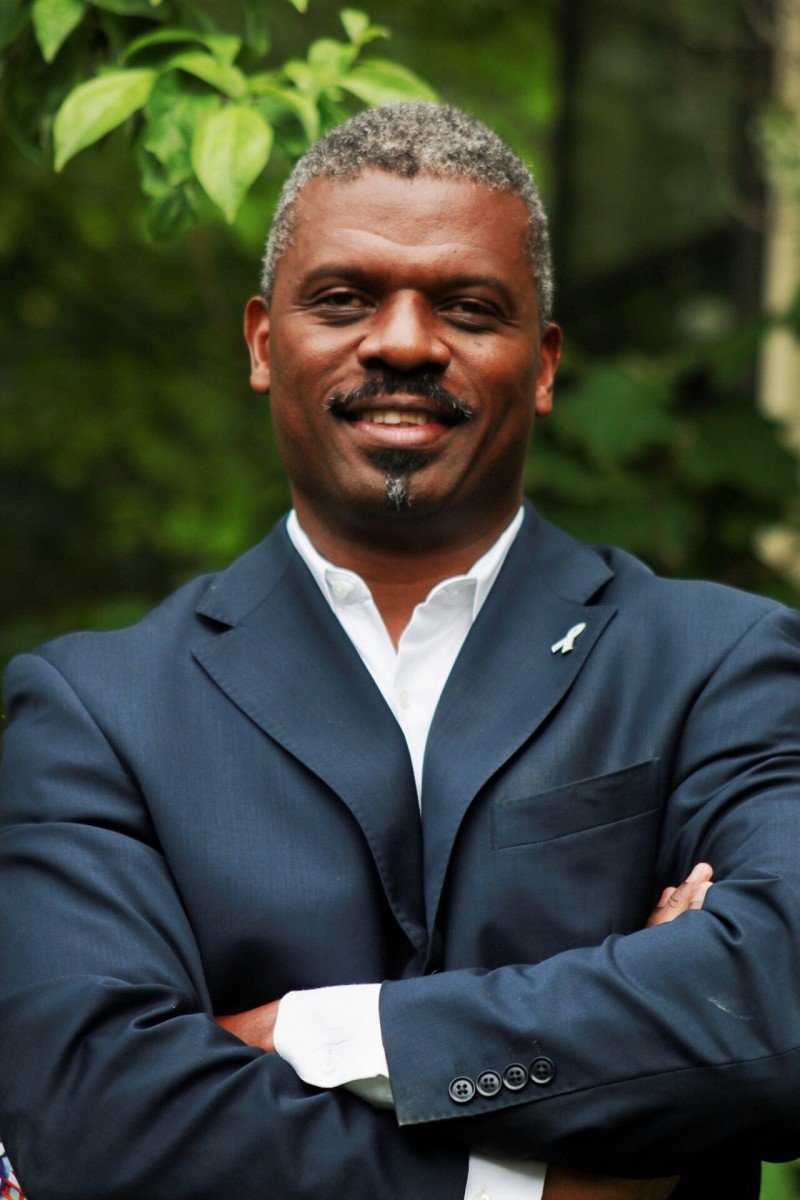
My City at Peace grew out of community-based violence reduction work led by Reverend Jeffrey Brown and partners in Boston. The work required listening beyond the usual institutions, building trust with people too often treated only as part of the problem, and bringing together groups that did not naturally see themselves as allies.
Over time, one lesson became impossible to ignore: peace is difficult to sustain where people remain economically insecure, disconnected from opportunity, or unable to benefit from improvements in their own neighborhood. As violence declines and investment arrives, the residents who helped make a community stronger should not be the ones pushed out of its future.
That understanding led MyCAP into real estate development. Today, we apply the same disciplines of listening, trust-building, shared problem-solving, and unlikely partnership to the way places are planned and built. We see development as a practical tool for creating housing, opportunity, local wealth, and the conditions in which stronger communities can endure.
What our history changes
- We recognize lived experience as a form of expertise.
- We know that trust must be earned before consensus can be requested.
- We connect physical development to social and economic stability.
- We judge success by who benefits, who belongs, and what remains after the project is complete.
Our process
01.
Understand the place
We study the neighborhood history, existing relationships, market conditions and development constraints.
02.
Listen to the community
We engage residents, businesses, institutions, and community leaders early enough for their knowledge to influence the work.
03.
Convene the right partners
We build a working table of public, private, community, and capital partners, including stakeholders who do not usually collaborate.
04.
Shape a viable project
Turn community priorities to program, ownership, financing, and delivery decisions that can survive real-world constraints
Let's Collaborate
Ready To Work With Us?
Let's collaborate or have a question? Contact Us